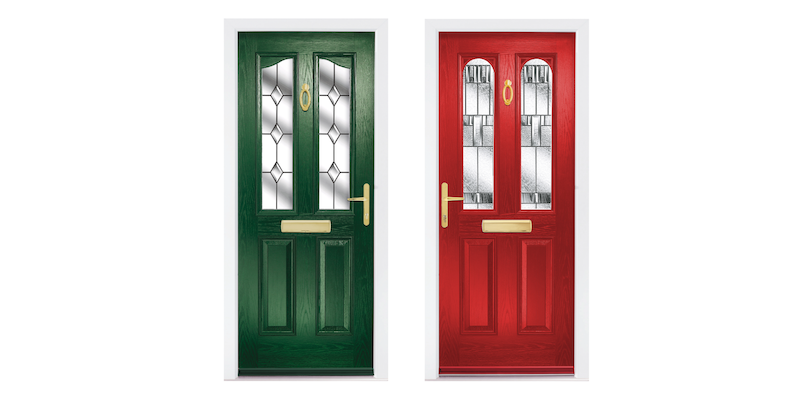
Professional Composite Door Repair: A Comprehensive Guide
Composite doors, understood for their toughness, security, and visual appeal, are a popular choice for house owners. However, like any other door, they can experience wear and tear gradually. Professional composite door repair is necessary to keep the performance and appearance of these doors. This post supplies a detailed guide on professional composite door repair, including common issues, repair methods, and maintenance tips.
Understanding Composite Doors
Composite doors are made from a mix of materials, typically including wood, plastic, and often metal. This mix offers a number of advantages:
- Durability: Composite doors are resistant to warping, breaking, and decaying.
- Security: They are extremely secure due to their robust building and multi-point locking systems.
- Energy Efficiency: The products used in composite doors provide excellent insulation, assisting to reduce heating and cooling expenses.
- Aesthetics: They can simulate the look of standard wood doors while needing less maintenance.
Typical Composite Door Issues
Before delving into repair methods, it's essential to recognize typical problems that might need professional attention:
- Cracks and Chips: Minor damage can happen due to effect or weathering.
- Distorted Panels: Exposure to extreme temperature levels or humidity can trigger panels to warp.
- Locking Mechanism Problems: The locking system can become faulty, affecting the door's security.
- Seal Deterioration: The weatherstripping and seals can use out, resulting in drafts and energy loss.
- Hinge Issues: Loose or rusted hinges can affect the door's alignment and operation.
Professional Repair Methods
When it concerns composite door repair, professional knowledge is often essential to make sure the task is done properly. Here are some common repair methods:
Repairing Cracks and Chips
- Evaluation: A professional will examine the level of the damage to figure out if a repair is possible.
- Preparation: The damaged area is cleaned and gotten ready for repair.
- Filling: A specialized filler is utilized to fill in the fractures or chips.
- Ending up: The fixed location is sanded smooth and painted or stained to match the rest of the door.
Addressing Warped Panels
- Medical diagnosis: A professional will figure out the cause of the warping, which could be due to moisture or temperature modifications.
- Adjustment: In some cases, the door can be adapted to remedy the positioning.
- Replacement: If the warping is severe, the panel or the whole door may require to be changed.
Fixing Locking Mechanism Problems
- Examination: The locking mechanism is completely examined to identify the concern.
- Lubrication: Moving parts are oiled to ensure smooth operation.
- Replacement: Faulty elements are changed with brand-new ones.
- Testing: The lock is checked to guarantee it functions correctly.
Changing Seals and Weatherstripping
- Removal: Old, weakened seals are carefully gotten rid of.
- Measurement: New seals are determined and cut to fit the door.
- Installation: The new seals are installed, guaranteeing a tight fit.
- Sealing: Any spaces are sealed to prevent drafts and wetness intrusion.
Handling Hinge Issues
- Tightening: Loose hinges are tightened up with screws.
- Lubrication: Hinges are lubed to reduce friction and noise.
- Replacement: If hinges are badly rusted or damaged, they are changed with brand-new ones.
Maintenance Tips
Routine maintenance can significantly extend the life of a composite door and avoid the requirement for major repairs. Here are some maintenance pointers:
- Clean Regularly: Use a mild cleaning agent and water to clean up the door surface area.
- Check Seals: Check the weatherstripping and seals for wear and tear.
- Oil Moving Parts: Apply lube to hinges and the locking system.
- Look for Damage: Regularly check the door for signs of damage and address problems quickly.
- Preserve Proper Alignment: Ensure the door is correctly lined up to prevent warping and sticking.
Frequently asked questions
Q: How frequently should I have my composite door expertly checked?A: It is advised to have your composite door checked at least once a year by a professional to identify and deal with any potential issues.
Q: Can I repair minor damage to a composite door myself?A: Minor damage such as small fractures or chips can typically be repaired with a DIY technique using an appropriate filler and paint. However, more significant issues ought to be managed by a professional.
Q: What are the signs that my composite door requires to be replaced?A: Signs that your composite door might need to be changed consist of serious warping, comprehensive damage, malfunctioning locks, and considerable energy loss.
Q: How can I prevent my composite door from deforming?A: To avoid warping, make sure the door is correctly sealed, keep a constant indoor temperature, and prevent exposing the door to extreme wetness.
Q: Are composite doors more secure than conventional wood doors?A: Yes, composite doors are normally more secure due to their robust building and construction and multi-point locking systems.
Professional composite door repair is essential for preserving the performance, security, and aesthetic appeal of these top quality doors. By comprehending composite door handle fix , repair methods, and maintenance pointers, homeowners can guarantee their composite doors stay in exceptional condition for years to come. Regular professional evaluations and timely attention to any issues can assist prevent significant problems and extend the life of the door.
If you think that your composite door needs repair, it's always best to talk to a professional who has the know-how and tools to handle the job efficiently.